Black Friday is live |
Save up to 50% across our most popular putting aids

News and Articles

On Top

Recent Stories

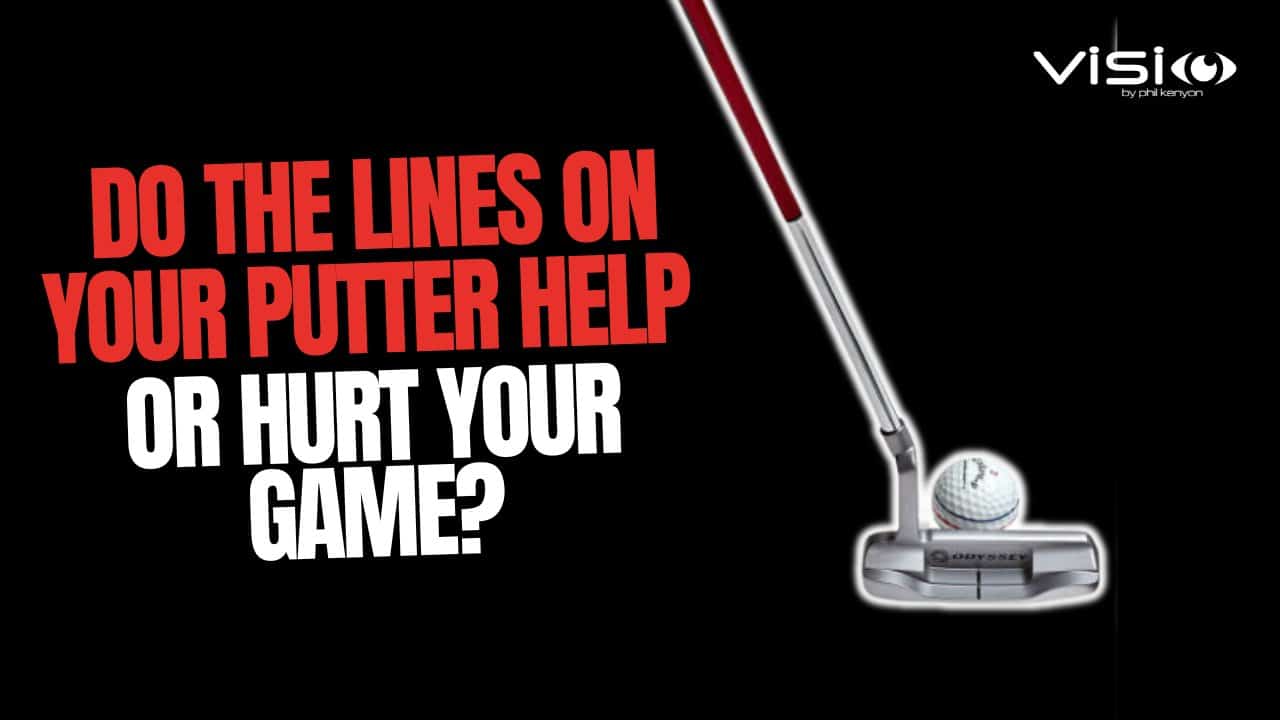
Do the Lines on Your Putter Help or Hurt Your Game? ⛳

Do the alignment lines on your putter enhance your accuracy, or could they be hindering your performance?

Most golfers use the lines on their putters to aim the face precisely along their chosen start line. This is especially common if you also use a line on your golf ball to assist with aiming. But have you ever considered whether these lines are actually benefiting you?

Read More »

How to read greens like a pro

Do you ever stand over a putt and second guess your read, only to watch the ball miss wide, breaking too much or not enough? You’re not alone. And there’s a chance, the problem isn’t your stroke, it’s the read.

Putting is often lost before the ball even moves. distance, slope (angle & gradient), grain and other factors can all influence how the ball rolls. If you misread those pieces of information, even a good stroke can send the putt off line.

Read More »

Stop Wasting Time on the Practice Green Try These 3 Simple Putting Drills 

Time is precious, especially on the golf course. Yet so many golfers waste valuable practice time because they don’t know what to practice or how to practice effectively when it comes to putting.

If you had just 30 minutes to spend on the practice green, here’s how to split your time into three simple, effective 10 minute drills that will help you to improve your putting.

Read More »

Struggling with Slow Timing on the Greens? 

It’s a common fault we see in golfers all the time, getting too slow in the putting stroke.

When your backswing drags:

❌ You’re forced to swing longer than necessary

❌ Acceleration becomes hard to control
❌ You lose both speed and start-line consistency

The result? Poor distance control, lack of confidence, and missed putts.

Read More »

Over-Acceleration: The Silent Killer of Speed Control

One of the most common faults in putting is over-acceleration, and it’s probably sneaking into your stroke without you even realising.

Here’s how it happens:
👉 Your backswing is too slow… or too short.
👉 That means you don’t build up enough energy on the way back.
👉 So when it’s time to strike the ball, you make up for it by speeding up too much in the downswing.

Read More »

Swing Length & Speed Control 

Every golfer knows rhythm and tempo are crucial to putting. But here’s the piece most players overlook: swing length.

Think of it this way, your rhythm is the beat, but your swing length is the volume. If you keep the same stroke size on every putt and just “hit harder” for longer putts, your tempo breaks down. The stroke loses its smoothness, and speed control goes out the window.

Read More »

Why You Keep Leaving Putts Short

You’ve read the line perfectly.
You’ve aimed dead centre.
But the ball… stops. Just. Short.

It’s one of the most frustrating feelings in golf and more often than not, it’s not your line at fault. It’s your tempo.

Read More »
On Trend

Most Popular Stories

Do the Lines on Your Putter Help or Hurt Your Game? ⛳

Do the alignment lines on your putter enhance your accuracy, or could they be hindering your performance?

Most golfers use the lines on their putters to aim the face precisely along their chosen start line. This is especially common if you also use a line on your golf ball to assist with aiming. But have you ever considered whether these lines are actually benefiting you?

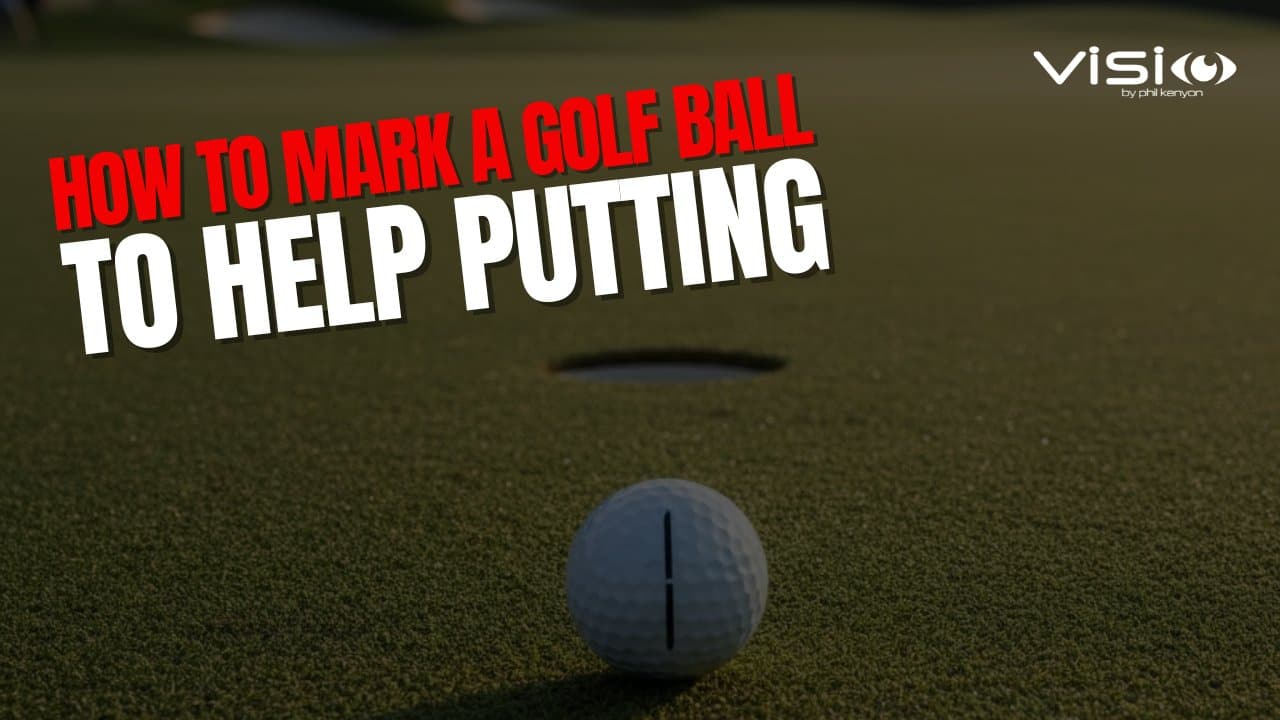
Could drawing a line on your ball be the easiest way to hole more putts? 

ou step up, address the ball with your putter, and make a smooth stroke, only to watch the ball veer off line like it had a mind of its own. You swear you aimed it right. But did you? For most golfers, the issue isn’t the stroke. It’s misalignment, starting the ball in the wrong direction from the very beginning.

How to read greens like a pro

Do you ever stand over a putt and second guess your read, only to watch the ball miss wide, breaking too much or not enough? You’re not alone. And there’s a chance, the problem isn’t your stroke, it’s the read.

Putting is often lost before the ball even moves. distance, slope (angle & gradient), grain and other factors can all influence how the ball rolls. If you misread those pieces of information, even a good stroke can send the putt off line.

Featured Products