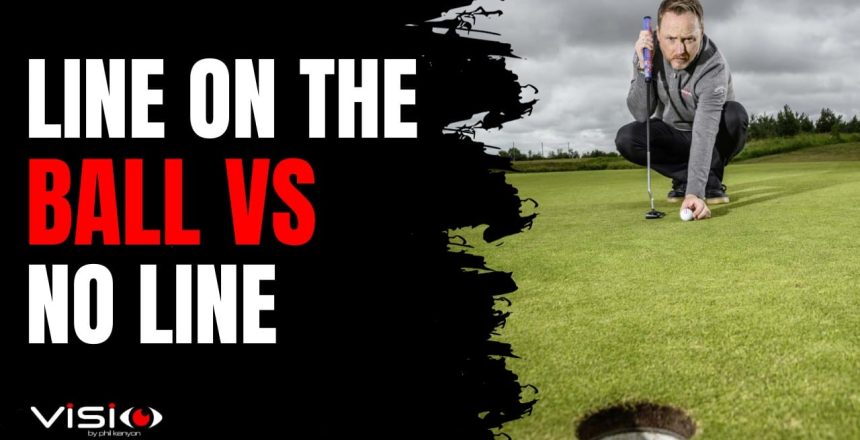
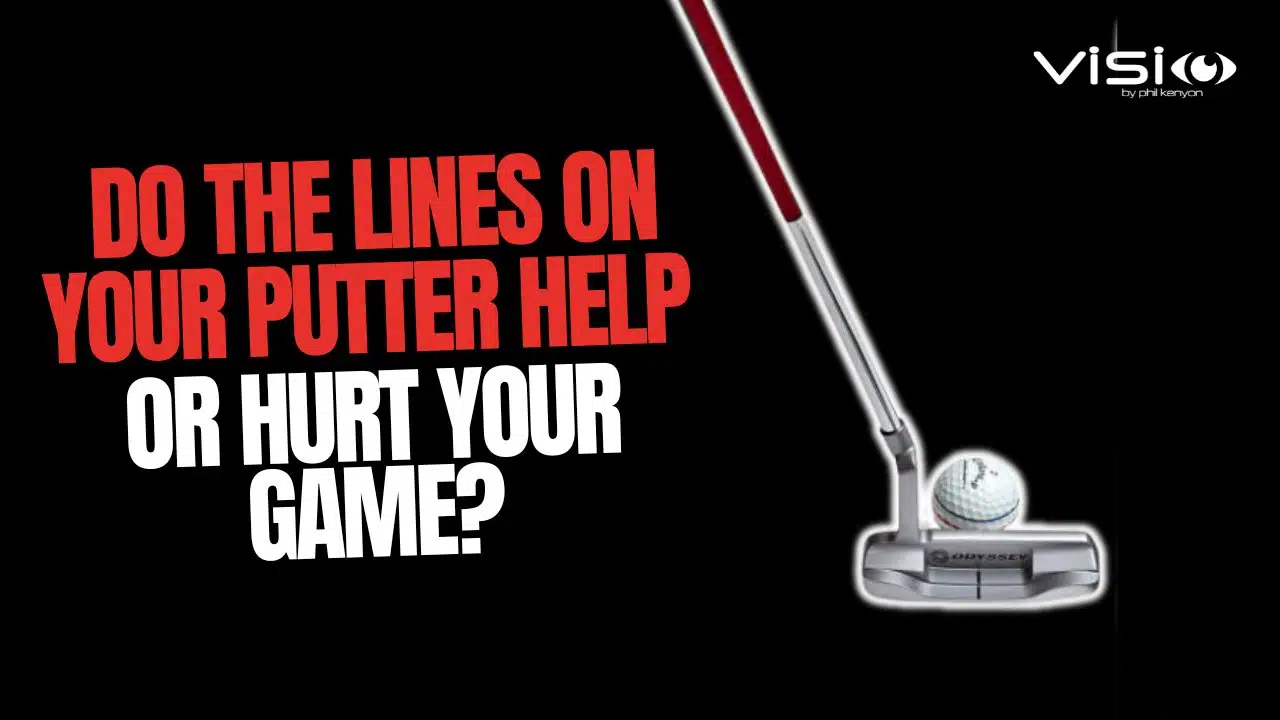
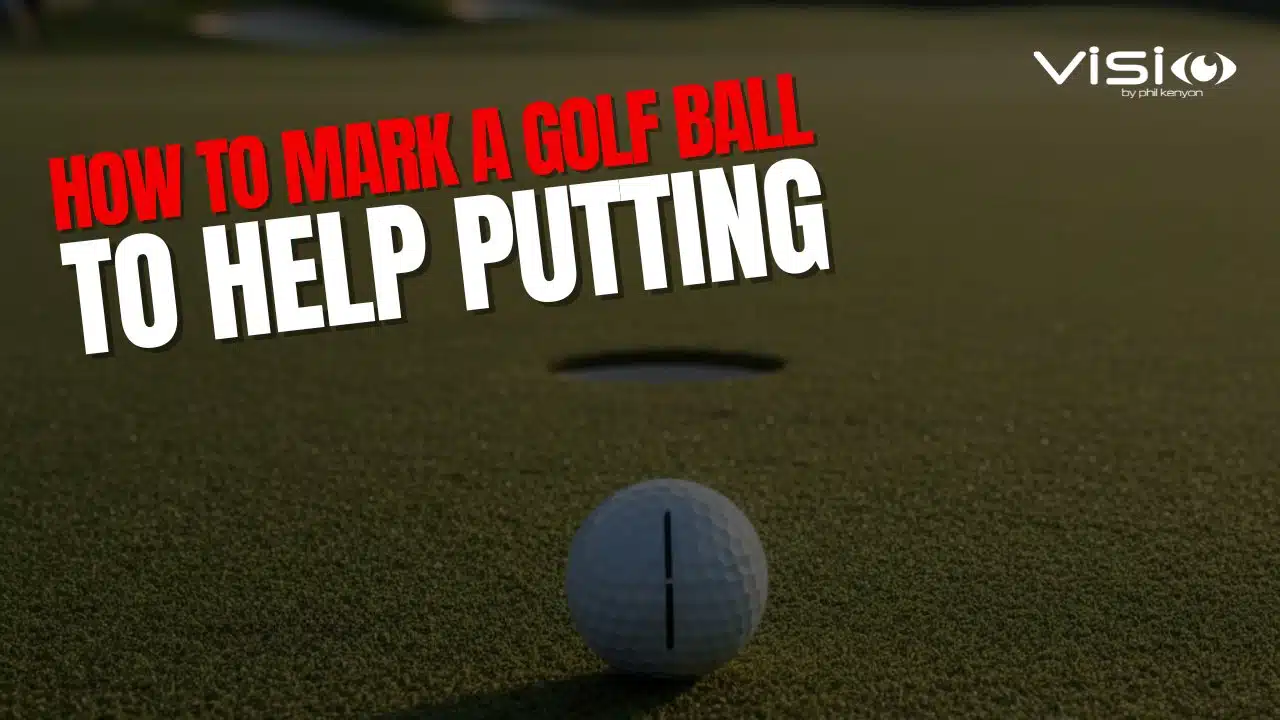
When it comes to putting, every small detail can make a difference in the outcome of a putt. One of the decisions that golfers often face is whether to use a line on their ball as an alignment aid or putt without it. This article delves into the debate between using a line on the ball versus putting without one, examining the benefits, considerations, and potential drawbacks of each approach.
The Line on the Ball: A Visual Alignment Aid
Many golfers choose to draw a line on their ball to aid in alignment during putting. The line serves as a visual reference that can help golfers aim their putts accurately. By aligning the line with the intended start line or the desired journey of the putt, golfers can enhance their chances of achieving proper alignment and making a successful stroke.
Benefits of Using a Line
The primary advantage of using a line on the ball is the added visual alignment assistance it provides. The straight line acts as a clear reference point, allowing golfers to focus their attention and align their putter face accordingly. It can help eliminate guesswork and instil confidence in the golfer’s ability to aim accurately.
Considerations and Potential Drawbacks
While using a line on the ball can be beneficial, some golfers find that relying heavily on the line may distract them from other important aspects of putting, such as feel and touch. Over-reliance on the line may result in neglecting other crucial factors, potentially affecting overall putting performance.
Also if you are not a very good green reader consciously then lining up the ball to the wrong read can often cause conflict with the player’s instinct as they set up to the ball, as they feel the line needs to be aligned elsewhere.
The No Line Approach: Developing Feel and Instinct
On the other hand, some golfers prefer to putt without a line on the ball, relying on their feel and instinct to align their putts. This approach emphasises developing a sense of the target line and training the eyes to perceive alignment without the aid of a visual reference.
Benefits of No Line Putting
For those who choose to putt without a line, the primary advantage lies in developing a greater sense of feel and touch on the greens. By relying on natural instincts and honing their ability to visualise the desired line, golfers can enhance their overall putting skill and adaptability. Putting without a line encourages a more holistic approach to reading greens, incorporating factors such as slope, break, and speed into the decision-making process.
Considerations and Potential Drawbacks
Putting without a line requires significant practice and refinement of visual skills. It may take time for golfers to develop a reliable and consistent alignment technique that works for them. It’s essential to train the eyes to gauge the target line accurately and trust one’s instincts. This approach may not suit all golfers, as some find comfort and confidence in having a visual alignment aid.
Personal Preference and Experimentation
Ultimately, the decision to use a line on the ball or putt without one comes down to personal preference and experimentation. Golfers should consider their level of comfort, the effectiveness of each approach, and how it affects their overall putting performance. It is advisable to practice and experiment with both methods to determine which one aligns better with individual skills, strengths, and playing style.
Also consider adopting both options, for example on certain putt types where you would put more of a premium on starting your ball on line as there is a good chance of holing the putt distance, you could opt to go with the line. If you have a putt from a longer distance, you could decide to drop using the line as the premium has changed from start line importance to controlling your speed and trying to focus on the ball stopping close to the hole for an easy two putt.
Conclusion
The line on the ball versus no line debate in putting is a matter of individual preference and effectiveness. While the line can provide a visual alignment aid, helping golfers aim more accurately, it may also lead to overreliance and distraction from other important aspects of putting. On the other hand, putting without a line emphasises the development of feel, touch, and instinct, but it requires significant practice and refinement of visual skills.
Ultimately, golfers should explore both approaches, experiment with different methods, and find what works best for them. Whether you choose to utilize a line on the ball or rely on your natural feel and perception, the key is to practice consistently, develop a reliable putting routine, and maintain confidence in your ability to read greens and sink those crucial putts.
#practicewithpurpose
Team Visio