You step up, address the ball with your putter, and make a smooth stroke, only to watch the ball veer off line like it had a mind of its own. You swear you aimed it right. But did you? For most golfers, the issue isn’t the stroke. It’s misalignment, starting the ball in the wrong direction from the very beginning.
In recent years, more golfers have started using a line on their ball to sharpen their aim and reduce natural biases. Done correctly, it can be an incredibly effective way to start more putts on line. The key lies in how you prepare the line and how you place the ball.
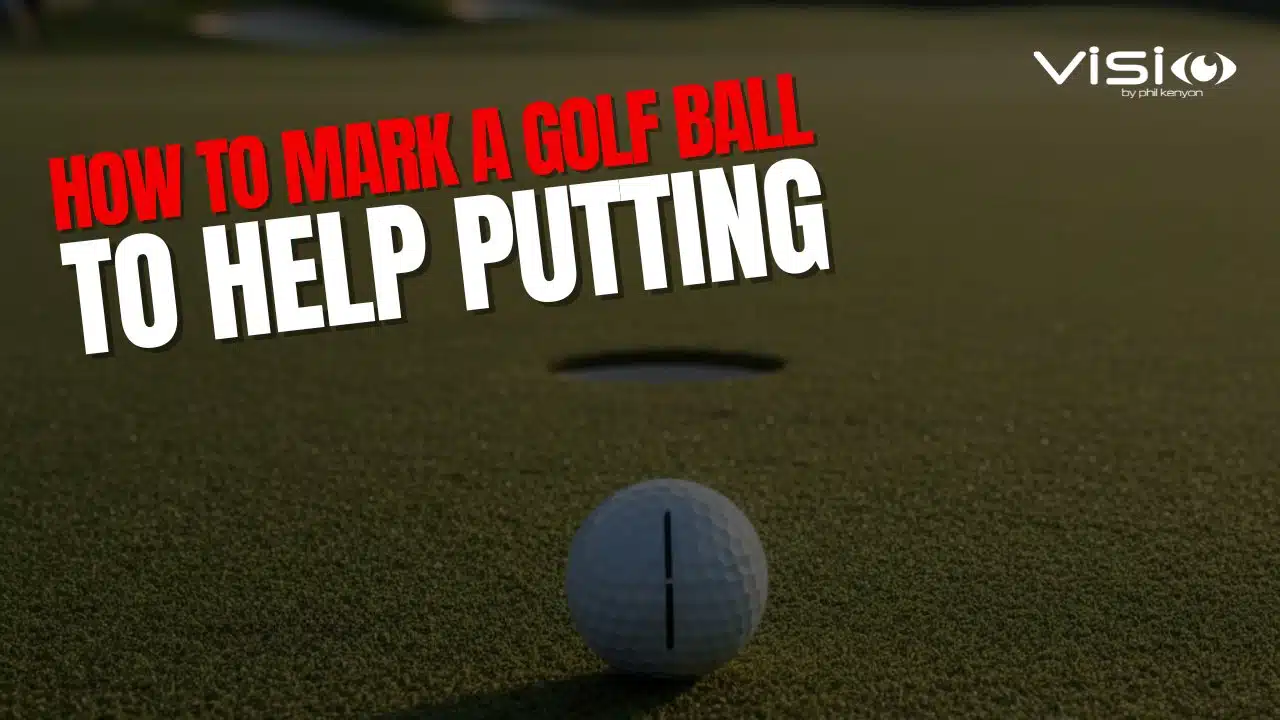
When marking your ball, it’s best to use a line-marking stencil rather than freehand. A stencil ensures accuracy and consistency, especially if you draw the line along the seam or dimple pattern. Once the line is in place, you can personalise it to suit your eye.
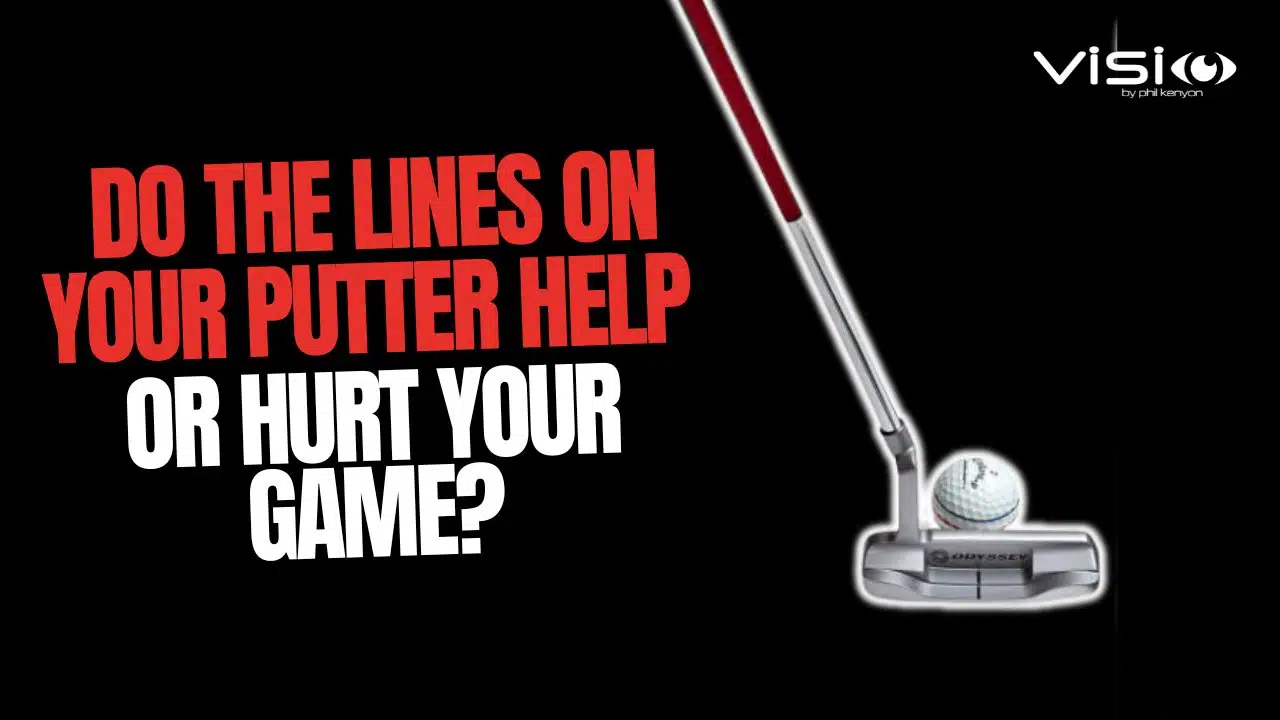
The first choice is colour. While you might be tempted to use your favourite shade, matching the ball line to your putter’s alignment mark often creates the clearest picture. For example, if your putter has a black line on a white head, marking the ball in black helps the two work together. If your putter has a red alignment line, using red on the ball can provide even greater clarity.
Next, consider the thickness of the line. This can vary depending on what works best for the player. Thinner lines are ideal for golfers who prefer a less demanding visual, allowing for more feel over the ball. With a thinner or smaller line, there’s less pressure to match the putter exactly, which can help players trust their stroke rather than over-focus on alignment.
The length of the line is just as personal. Most tools allow you to draw a line halfway around the ball’s circumference. A longer line gives players a stronger visual reference, both from behind the ball and when setting up the putter. But just like with thickness, the goal is to choose a line which gives you the clearest picture without becoming a distraction.
Once your ball is marked, placement on the green is critical. Position the line so it runs fully across the top of the ball, but also adjust it to match the slope of the ground. For instance, on a right-to-left putt with the ball above your feet, the line should be aligned relative to the slope, not just the ball itself. This ensures that when you stand over the putt, the line points exactly where you intend.
In summary, effective use of a line on the ball comes down to three decisions, colour, thickness, and length, followed by careful placement that takes slope into account. By refining these details, you’ll not only see your aim more clearly, but you’ll also give yourself the best chance of matching your putter face to your target line with confidence.
Why not check out the Visio Putting Balls (pack of 3) and see how lines on a ball could help you aim your putter face with more accuracy, time after time.
#practicewithpurpose.
Team Visio